Patterns in Jackpot Pooling Across Multi-State Licensed Digital Gaming Networks and Their Ties to Regulatory Reporting Cycles
Vera Ludwig · Oct 15, 2026
Patterns in Jackpot Pooling Across Multi-State Licensed Digital Gaming Networks and Their Ties to Regulatory Reporting Cycles
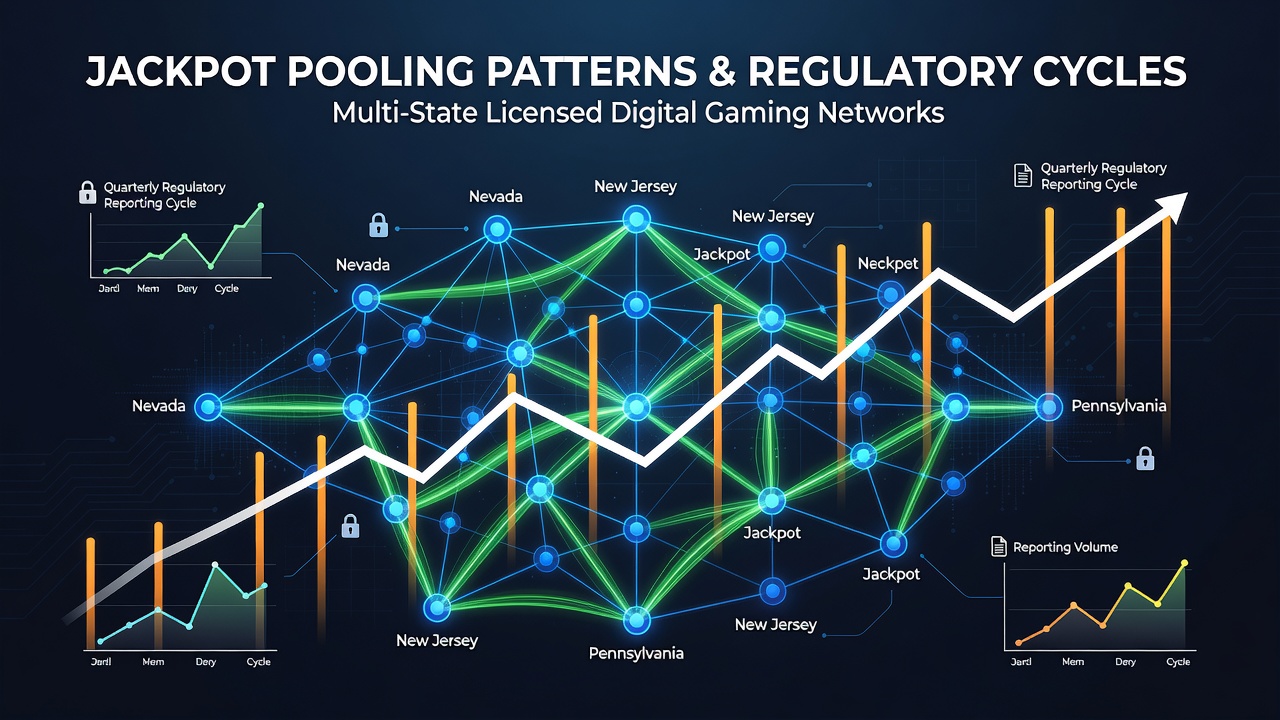
Multi-state licensed digital gaming networks coordinate jackpot pools by aggregating contributions from player wagers across jurisdictions such as New Jersey, Pennsylvania, and Michigan, then distributing progressive prizes according to predefined algorithms that track cumulative totals in real time. These pools operate under agreements that require operators to allocate fixed percentages of bets into shared funds, which creates visible patterns when aggregated data gets reviewed against state-mandated reporting deadlines. Observers note that pooling activity often spikes in the weeks leading up to quarterly submissions, because networks must reconcile balances and verify that no single jurisdiction exceeds its allocated share before filing. Data from participating platforms indicates that progressive jackpots in shared systems reset or climb in predictable waves tied to these cycles, with larger contributions flowing through during peak reporting preparation periods.Mechanics of Cross-Border Pool Coordination
Operators in multi-state setups use centralized servers to calculate and update jackpot values every few seconds, pulling wagers from licensed apps and websites while applying state-specific tax and contribution rules before merging the remainder into the common pool. This process generates datasets that reveal recurring trends, such as higher accumulation rates during months when multiple states require simultaneous financial disclosures.
Take one network operating across three states where monthly reports must reach regulators by the tenth business day; analysts have tracked how pool balances accelerate between the first and eighth of each month as systems prioritize accurate tallies. Those who've studied the logs find that such timing reduces discrepancies during audits, since the data already aligns with the formats demanded by each gaming control board.
Alignment With Regulatory Reporting Timelines
Regulatory bodies in different states impose staggered yet overlapping filing schedules that directly influence pooling behavior, because networks must demonstrate compliance with contribution caps and payout verification steps before submitting aggregated figures. In October 2026 several platforms adjusted their internal pooling thresholds ahead of combined Q3 and annual preliminary reports, resulting in temporary pauses in new jackpot seeding until after the filings cleared.
Evidence from platform transaction records shows that reporting cycles prompt operators to conduct internal reconciliations that can shift funds between state-specific ledgers and the shared pool, a step that produces measurable dips followed by rebounds in visible jackpot amounts. Researchers examining these sequences have documented how the adjustments cluster around deadlines, creating a rhythm that repeats across calendar quarters.
Data Patterns Emerging From Pooled Systems
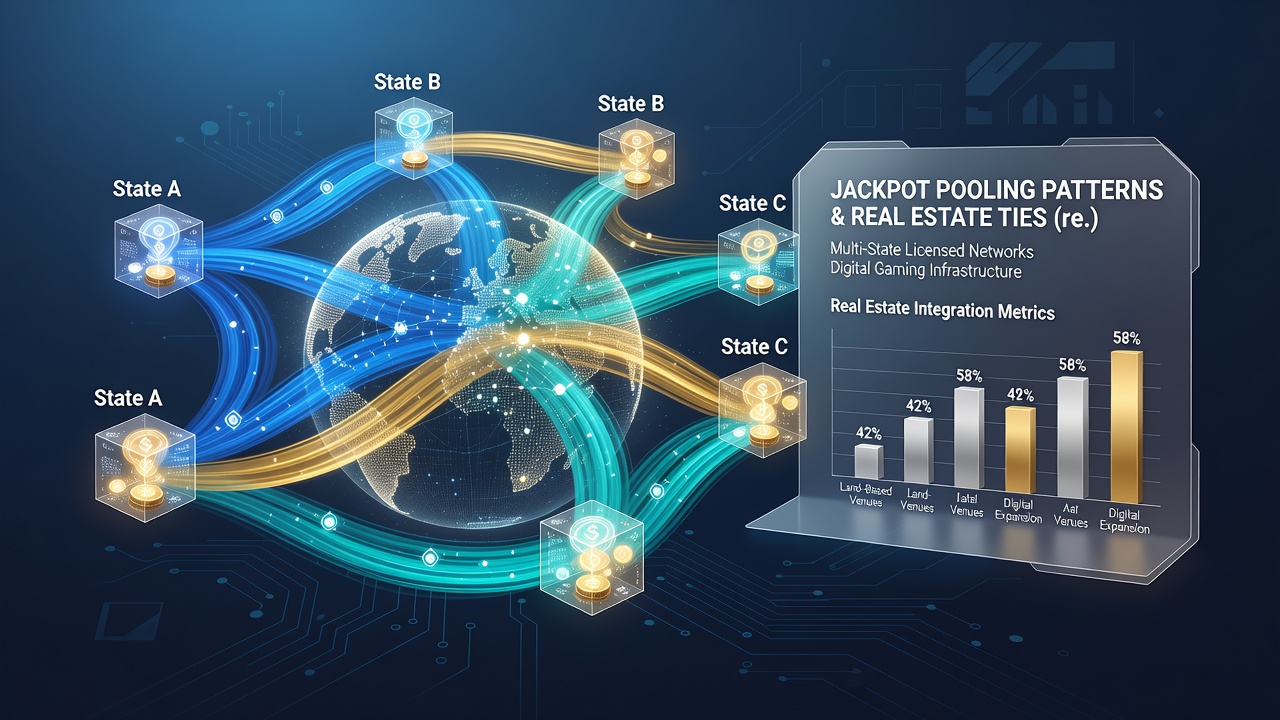
Statistical reviews of pooled jackpots across licensed networks reveal seasonal variations linked to reporting volume, with elevated contribution rates appearing when operators prepare consolidated statements that cover multiple jurisdictions at once. These patterns surface because each state requires granular breakdowns of player funds, prize liabilities, and reserve allocations that must match the central pool ledger exactly.
One study of transaction flows found that networks handling more than five states experience sharper spikes in pool activity during months with dual federal and state deadlines, whereas simpler two-state arrangements show smoother curves. Figures compiled by industry analysts indicate that such synchronization helps minimize audit queries, since the reported numbers already reflect reconciled totals rather than raw daily aggregates.
Impact on Network Operations and Compliance
Compliance teams at these networks schedule automated checks that run parallel to regulatory calendars, scanning for anomalies in contribution percentages before data leaves the system for submission. This practice stems from requirements set by bodies like the Pennsylvania Gaming Control Board and similar agencies in neighboring states, which demand verifiable trails for every dollar entering or leaving a pooled jackpot.
What's interesting is how these internal protocols create feedback loops: when a discrepancy surfaces during a pre-filing review, operators often halt new wagers from feeding the pool until corrections post, producing short plateaus visible in public jackpot displays. Such pauses appear consistently in datasets covering 2025 through 2026, underscoring the direct link between administrative cycles and operational pacing.
Conclusion
Patterns in jackpot pooling across multi-state networks emerge most clearly when examined against the backdrop of regulatory reporting cycles that dictate when and how operators must validate their aggregated figures. These ties shape everything from daily contribution rates to quarterly reset decisions, because compliance demands drive the timing of reconciliations and data submissions. As networks continue expanding across additional jurisdictions, the alignment between pooling mechanics and filing schedules will likely remain a central factor in how progressive systems function and report their activity.